meet the team
Chiropractor Keith Krueger D.C., CSCS
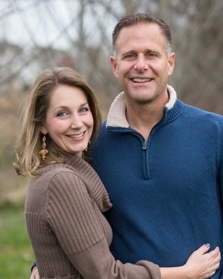
Dr. Keith Krueger grew up in Loveland, Colorado and Wisconsin, but has called Lancaster, Pa. his home since 1991. After undergraduate training at Hope College, he graduated from Palmer College of Chiropractic. He has also completed over 200 hours of postgraduate work in spinal rehabilitation plus a comprehensive training program in whiplash and brain traumatology through the Spine Research Institute of San Diego.
Among his specialties is working with athletes of all levels to help them attain peak performance and recover from injuries. Dr. Krueger's own experience as a competitive athlete has made him particularly passionate about - and effective at - helping athletes return to training after suffering from sports-related injuries and conditions. As a swimmer and tennis player in high school, triathlete, marathon runner, and repeat competitor at the American Birkebeiner, he understands first-hand the urgency of wanting to get back into action after a sports injury. He has earned the status of Certified Strength and Conditioning Specialist (CSCS) through the NSCA. And he is one of the few area chiropractors skilled in SASTM (Sound Assisted Soft Tissue Mobilization), an innovative non-invasive technique that uses sound resonating tools to both diagnose and treat soft tissue injuries.
Besides his drive to help people achieve wellness, Dr. Krueger also enjoys a wide array of other interests and activities. He is husband to Sally and father to Caleb, Chloe and Bella. He also enjoys reading to expand his perspective and gain new knowledge.
He is an active member Westminster Presbyterian where he has taught both adult and children's Sunday school and has served on various committees.
To learn more about Dr. Krueger's capabilities and services, feel free to explore our website. We welcome you to contact us to set up an appointment to meet him and discuss how he might help you recover from injury and achieve optimal performance.
Sally Krueger - Office Manager
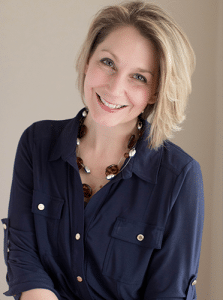
Sally is Dr. Krueger's wife and our Office Manager. She is also the owner and operator of her own business, "Sally Belle Photography." She works part time here in our office doing billing and helping at the front desk, and splits the rest of her time working for Veritas Academy as their School Photographer and shooting sessions for her own clients. She and Keith have three children, Caleb, Chloe and Bella (two teenagers and a "tween!") who have increasingly busy lives of their own. She and Keith have been married for 20 years and are so grateful for the opportunity to continue to work together.
Naomi Rhoads - Front Desk Receptionist

Monday
8:00am - 12:00pm
2:45pm - 6:00pm
Tuesday
2:45pm - 6:00pm
Wednesday
7:30am - 12:00pm
2:45pm - 6:00pm
Thursday
Closed
Friday
7:30am - 12:00pm
2:45pm - 5:00pm
Saturday & Sunday
Closed

Krueger Chiropractic Clinic
1382 Harrisburg Pike
Lancaster, PA 17601
(717) 393-9505